
Why Vinyl Is Back — And How to Build Around Your Records
Vinyl has moved from nostalgia to a genuine listening habit. Records demand attention: you pick an album, clean it, drop the needle, and listen to a side from start to finish. That ritual is a big part of the appeal, and it is also why the equipment matters. A thoughtfully assembled system makes even a well-loved pressing sound fuller and more detailed.
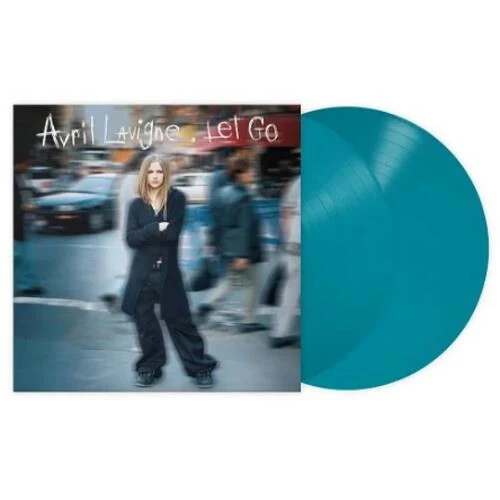
The good news is that you do not need to spend a fortune. A solid vinyl LP setup comes down to three pieces — a turntable, an amplifier with a phono stage, and a pair of speakers — plus a few accessories that keep everything sounding its best. If you already own records like Let Go - Colored Vinyl - Vinyl LP or Bright Spots - Vinyl LP, you are ready to start.
Choosing a Turntable and the Right Amplifier
Turntables: what actually matters
Look for a stable plinth, a tonearm that tracks reliably, and an upgradeable cartridge. Belt-drive models are popular for their quiet operation, while direct-drive designs appeal to listeners who like quick starts and rock-steady speed. A built-in phono preamp is convenient, but if your turntable does not have one, your amplifier will need a phono input.
Integrated amplifiers with a phono stage
An integrated amplifier combines preamp and power amp in one chassis, which keeps a starter system simple. Models like the Marantz MODEL10 and Rotel A14MKII are built with vinyl listeners in mind: they offer phono inputs, enough power for most bookshelf speakers, and streaming or digital connections for everything else you listen to. Match amplifier power to your speakers and room size — a small den needs far less than an open living area.
Matching Bookshelf Speakers and Home Audio Accessories
Bookshelf speakers are the sweet spot for most vinyl systems. They are compact, easy to place, and often deliver surprising bass for their size. Placement does a lot of the work: put them on sturdy stands or a solid shelf, keep them at ear height when you are seated, and pull them slightly away from the wall to reduce boomy reflections.
Small accessories make a real difference too:
- A carbon-fiber brush and cleaning fluid to keep dust and static off your records.
- An anti-static inner sleeve for every LP you store.
- Speaker cable of adequate gauge and clean, well-seated connectors.
- A record weight or clamp if your turntable benefits from extra stability.
Once the system is dialed in, records such as Leave Home - Vinyl LP 180 Gram and The Number of the Beast [2015 Remaster] - Vinyl LP 180 Gram show how much weight and dynamics a 180-gram pressing can deliver. Quieter, more acoustic titles like Leonard Cohen Greatest Hits - Vinyl LP 150 Gram reveal whether your speakers stay composed through vocals and fine detail.
TV Mounts and Room Layout for Shared Spaces
Most listening rooms do double duty, with a television in the same space. That is where a proper TV mount helps. Options like the Kanto PS300, PS200, TE300, and PF400 cover a range of needs — full-motion arms for flexible viewing angles, tilting designs for glare control, and fixed mounts for a clean, low-profile look.
Plan the layout before you drill:
- Mount the TV so its center sits near eye level when seated.
- Keep speakers out of the TV's shadow — spread them wider than the screen.
- Run cables behind the wall or through a raceway to avoid hum and clutter.
- Leave clearance behind a full-motion mount so the panel can tilt and swivel.
If your turntable shares a shelf with a TV or subwoofer, isolate it. Vibration travels through furniture and can muddy the sound of records like Deathconsciousness - Vinyl LP or Impressions - Vinyl LP. A simple isolation platform or wall shelf often solves the problem.
Bundles and Packages vs. Buying Separately
Bundles and packages take the guesswork out of matching components: the amplifier, speakers, and cables are already known to work well together, and you get everything in one order. That is ideal if you are starting from scratch or buying a gift.
Buying separately gives you more control. You can upgrade one piece at a time, choose speakers that suit your room, and pick an amplifier with exactly the inputs you need. A hybrid approach works well: start with a package, then add records and accessories as your taste develops. Either way, the goal is the same — a system that makes you want to keep flipping sides.



![The Number of the Beast [2015 Remaster] - Vinyl LP 180 Gram](https://worldwidestereous.com/cdn/upload/webp/888851/09f35823d5c82b62b24fd807bd082aea/400.webp)
![The Number of the Beast [2015 Remaster] - Vinyl LP 180 Gram](https://worldwidestereous.com/cdn/upload/webp/888851/d3e00c8e6cc9435ac618ac345d1d7a5a/400.webp)