
Why Vinyl Is Back — And How to Build a Setup That Fits Your Space
Vinyl has returned because it makes music physical again. You choose a record, drop the needle, and listen to a full side instead of skipping through a playlist. But a great listening experience depends on more than the record itself. The turntable, amplifier, and speakers all need to work together, and the room around them matters just as much. This guide walks you through building a first vinyl LP setup that sounds warm, looks clean, and doubles nicely as a movie room.
1. Start With the Turntable and the Records You Love
Your turntable is the source, so it sets the tone for everything downstream. Look for a model with a stable platter, an adjustable tonearm, and a quality cartridge. A built-in phono preamp is convenient if your amplifier lacks a phono input, but a separate preamp often gives you more control over gain and loading.
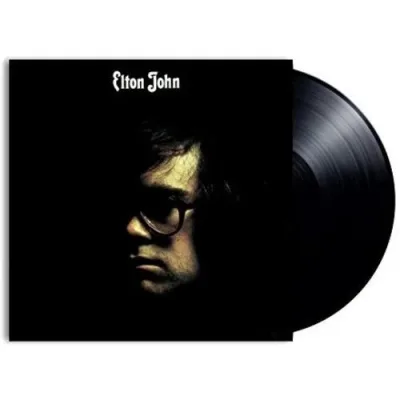
Before you buy gear, buy a few records you will actually play. Starting with a small, well-loved collection keeps you focused. Pressings like Leonard Cohen Greatest Hits - Vinyl LP 150 Gram or Elton John - Vinyl LP 180 Gram are easy to enjoy and reveal a lot about how your system handles vocals and piano. If you want something heavier, The Number of the Beast [2015 Remaster] - Vinyl LP 180 Gram will test how your speakers handle dense guitars and drums.
2. Choosing an Integrated Amplifier for Your Turntable
An integrated amplifier combines a preamp and power amp in one chassis, which keeps your rack simple and your signal path short. For vinyl, the key question is whether the amp has a dedicated phono stage. If it does, you can plug your turntable in directly and skip an external box.
When comparing models, pay attention to:
- Phono input quality: a moving-magnet stage is standard; moving-coil support is a bonus.
- Power output: 40–80 watts per channel is plenty for most bookshelf speakers in a normal room.
- Inputs: at least one optical and one HDMI or coaxial for a TV or streamer.
- Tone and balance controls: useful for taming bright pressings or small-room bass.
Models such as the Marantz MODEL10 and Rotel A14MKII are popular references in this category because they pair a solid phono section with digital inputs, so the same amp can serve your turntable and your television. If you already own a receiver without a phono stage, a standalone phono preamp is the simplest upgrade.
3. Picking Bookshelf Speakers for Warm, Room-Filling Sound
Bookshelf speakers are the sweet spot for most vinyl setups. They image well, fit on a shelf or stand, and usually cost less than floorstanders of similar quality. For vinyl, look for a slightly relaxed treble and a midrange that flatters voices and acoustic instruments.
Placement matters more than most people expect. Keep speakers on rigid stands or a solid shelf, pull them a little away from the wall, and angle them toward your listening position. A rug and soft furniture help control reflections, which keeps the sound from turning harsh. If your room is small, a sealed or front-ported design will be easier to place than a rear-ported cabinet that needs free space behind it.
4. TV Mounts and Furniture: One Room for Vinyl and Movies
Most of us do not have a dedicated listening room, so the system has to share space with a television. That is fine — it just takes a bit of planning.
- TV mounts and brackets: a wall mount frees the top of your media console for the turntable, and a full-motion bracket lets you angle the screen away from window glare.
- Sturdy furniture: a heavy console or dedicated hi-fi rack reduces vibration reaching the turntable.
- Cable management: keep power cables away from phono cables to avoid hum.
- Isolation: a simple isolation platform or even a butcher-block slab under the turntable can tighten bass.
If you watch movies through the same speakers, an amplifier with HDMI or optical input makes switching between formats painless. A center channel is optional for a two-channel setup, but a subwoofer can add weight for film soundtracks without changing the character of your music.
5. Accessories and Records That Complete the Setup
Once the core system is in place, small accessories make daily listening easier: a carbon-fiber brush, a stylus cleaner, inner sleeves, and a record weight or clamp. A tracking-force gauge helps you confirm your cartridge is set correctly, which protects both your records and your stylus.
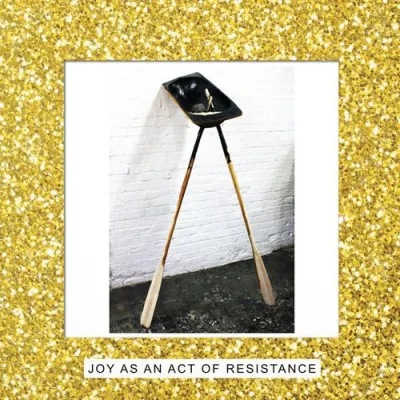
Then keep feeding the collection. A well-recorded album will show off the system, and a rough one will remind you why clean vinyl matters. Titles like Joy As An Act Of Resistance - Deluxe Edition Vinyl LP 180 Gram and Deathconsciousness - Vinyl LP reward careful setup, while a single like Laced - 7-Inch Single is a fun way to test how your system handles a short, punchy side.
Build in stages: turntable first, then amplifier, then speakers, then accessories. Each step will change what you hear, and that is part of the fun. With a little patience, your vinyl LP setup can sound wonderful for records and look right at home under the television.

![The Number of the Beast [2015 Remaster] - Vinyl LP 180 Gram](https://worldwidestereous.com/cdn/upload/webp/888851/09f35823d5c82b62b24fd807bd082aea/400.webp)
![The Number of the Beast [2015 Remaster] - Vinyl LP 180 Gram](https://worldwidestereous.com/cdn/upload/webp/888851/d3e00c8e6cc9435ac618ac345d1d7a5a/400.webp)