
Why Vinyl Is Back — And How to Match a Turntable to Your Space
Vinyl records have returned because they make listening intentional. You choose a record, clean it, drop the needle, and sit through a side. That ritual sounds best when the gear matches the room. A compact apartment, a dedicated den, and a large living room all need different turntable and speaker choices.
Start by measuring your listening area. A turntable needs a level, vibration-free surface at least 16 inches deep, ideally on a sturdy stand rather than a shared shelf with speakers. If your room is small, a belt-drive deck with a built-in phono stage keeps the footprint and cable count low. In a larger room, a separate phono preamp gives you more flexibility and cleaner gain.
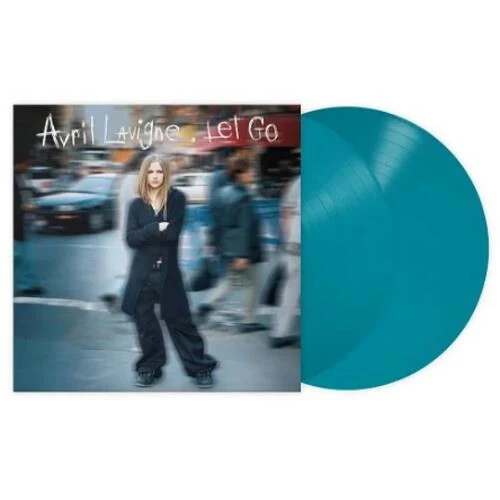
Also think about record storage before you buy hardware. If you already own a stack of titles such as Let Go - Colored Vinyl - Vinyl LP or Leonard Cohen Greatest Hits - Vinyl LP 150 Gram, plan a shelf that keeps them vertical and easy to flip through. Good storage protects the vinyl and makes the whole hobby more enjoyable.
Choosing an Integrated Amplifier for Your Turntable
An integrated amplifier combines preamp and power amp in one chassis, which is the simplest path for most vinyl setups. Two models worth comparing are the Marantz MODEL10 and the Rotel A14MKII.
Marantz MODEL10
The Marantz MODEL10 is a premium integrated amplifier with a strong phono section, so a moving-magnet cartridge plugs straight in without an extra box. It suits listeners who want a warm, detailed presentation and plan to keep the amplifier for years.
Rotel A14MKII
The Rotel A14MKII is a more compact, value-focused integrated amplifier with a built-in phono input and digital connections. It pairs well with efficient bookshelf speakers and works nicely in mid-sized rooms where you also want to connect a TV or streamer.
Whichever you pick, confirm the phono input type matches your cartridge. Moving-magnet (MM) is the common choice; moving-coil (MC) usually needs a step-up device or a dedicated phono stage.
Picking Bookshelf Speakers for Warm, Room-Filling Sound
Bookshelf speakers are the sweet spot for vinyl. They image well, fit on stands or a sideboard, and deliver enough bass for most rooms without dominating the space.
- Size the driver to the room. A 5- to 6.5-inch woofer works in small and mid rooms; larger rooms benefit from a subwoofer later.
- Check sensitivity and impedance. Speakers rated around 88 dB and 8 ohms are easy for most integrated amplifiers to drive.
- Leave space behind them. Rear-ported designs need a few inches from the wall to avoid boomy bass.
- Match the character. Warm speakers pair well with neutral amplifiers; bright speakers suit warmer amps.
Place the speakers on rigid stands at ear height, angled slightly inward. If your turntable sits on the same surface, isolate it with a dedicated platform or move it to a separate stand to avoid feedback.
Essential Home Audio Accessories: Cables, Mounts, and Care
Accessories are where small spending makes a big difference.
- Speaker cable and interconnects. Use oxygen-free copper of appropriate gauge; 16 AWG is fine for most runs under 20 feet.
- Record care. An anti-static brush, a carbon-fiber cleaning brush, and a stylus brush keep noise low and protect your records.
- Inner and outer sleeves. Replace worn paper sleeves with anti-static inner sleeves to reduce surface noise.
- Isolation. Cork, sorbothane, or a simple isolation platform under the turntable tames footfall and vibration.
- Power. A basic surge protector protects your amplifier and turntable from spikes.
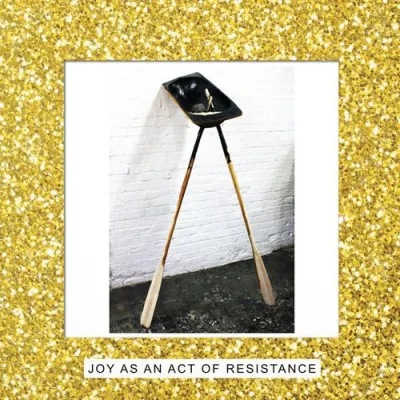
If you are building a collection alongside your system, consider a few well-pressed titles to test your setup. A 180-gram pressing such as Leave Home - Vinyl LP 180 Gram or Sings - Vinyl LP 180 Gram is a good reference for tracking and surface noise. For something with a different tonal character, Bandwagonesque - Transparent Yellow Colored Vinyl - Vinyl LP (Yellow) and Joy As An Act Of Resistance - Deluxe Edition Vinyl LP 180 Gram are useful for checking midrange clarity and dynamics.
Budget Bundles vs. Building Your System Piece by Piece
A bundle gets you listening in one afternoon: turntable, integrated amplifier, speakers, cables, and a cleaning kit. It removes guesswork and often saves money, but it locks you into one level of performance.
Building piece by piece costs more over time and takes patience, yet it lets you upgrade the weakest link first. A common path is turntable, then amplifier, then speakers, then accessories. If you already own records, start with the amplifier and speakers so your existing collection sounds better immediately.
Either way, buy for the room you have and the sound you enjoy. A modest, well-matched vinyl LP setup beats an expensive mismatch every time.