
Start With the Phono Stage, Not the Turntable
Most people buy the deck first and figure out the amplification later. That's backwards. A turntable sends a tiny moving-magnet signal down the tonearm, and something has to add roughly 40 dB of gain plus the RIAA curve before it's even audible. If that job lands on a $30 built-in phono input, you'll hear it on dense pressings: cymbals smear, bass turns to mush, and surface noise sits right on top of the music.
An integrated amplifier with a proper phono stage fixes this in one box. The Marantz MODEL10 and the Rotel A14MKII both accept a turntable directly, and both give you a headphone output and a DAC for a streamer or CD player. On a wide-groove soul compilation like Studio One Story, the difference shows up in the space between instruments — horns separate instead of stacking on top of each other. On something as heavily layered as Runescape: 25 Years, you can actually follow individual lines.
If your amplifier has no phono input, buy a standalone phono preamp. It's the cheapest real upgrade in this hobby, and it costs less than a mid-priced cartridge.
Matching Bookshelf Speakers to Your Room and Your Amp
Bookshelf speakers are the wrong name for a category that mostly ends up on stands or a sideboard. What matters is the match between the speaker and the space it sits in. A 5-inch woofer in a 10 x 12 foot room with a rug and a sofa will sound fuller than a tower speaker crammed against a wall in the same room.
Two specs to check before you buy:
- Sensitivity — measured in dB, usually 85 to 90. Lower numbers need more power. An 84 dB speaker paired with a 40 W amp will run out of steam before your neighbors complain.
- Nominal impedance — 8 ohms is easy, 4 ohms demands an amp that can deliver current. Check your integrated's specs at 4 ohms, not just 8.
Give bookshelf speakers 6 to 12 inches of clearance from the wall behind them unless the manufacturer says otherwise. Rear ports get boomy fast in a corner. And put them on something solid — a flimsy shelf turns bass into rattle.
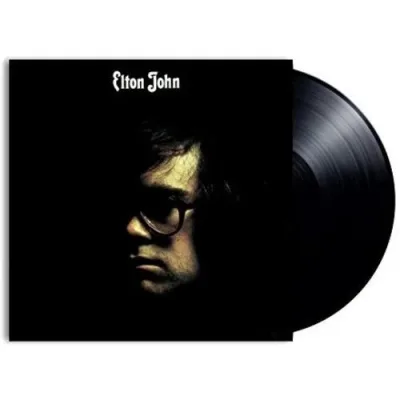
One more thing: listen to records you know. Take Leave Home - Vinyl LP 180 Gram or Elton John - Vinyl LP 180 Gram to a demo. Heavy 180gm pressings are quieter and flatter than a thin 1970s pressing, so they expose speaker flaws instead of hiding them.
Mounting the TV and Reclaiming the Floor
Here's where most setups go wrong. The TV sits on a low cabinet, the speakers get pushed onto the same cabinet, and everything vibrates together. A wall mount solves the space problem and the resonance problem at once — as long as you do the anchor work properly.
The Kanto PS300 and PF400 are both full-motion mounts, which matters more than people expect. Full-motion means you can pull the screen out, tilt it down, and aim it away from a window. It also means you can angle the TV slightly so it doesn't sit directly between your speakers.
Then move the speakers out to the sides, roughly as far apart as you sit from them, tweeters near ear height. If the stands put them below the screen, angle them up a few degrees. That single change often does more for stereo imaging than any cable swap.
Small Upgrades That Actually Show Up on 180gm Pressings
Skip the exotic stuff. Do these instead, in this order:
- A record brush and a carbon-fiber stylus cleaner. Dust is the number one cause of ticks. Ten seconds before each side.
- A proper alignment. Print a free protractor, or have a shop set your cartridge overhang. A misaligned cartridge adds distortion you'll blame on the record.
- Speaker cable that's thick enough. 16-gauge is plenty under 20 feet. Skip anything with a directional arrow and a price tag to match.
- A stable shelf or stand. Footfall skips come from movement, not from the deck.
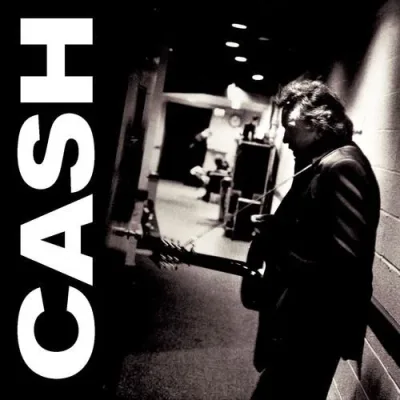
Where you'll hear the payoff is on quiet, dynamic records. Put on American III: Solitary Man - Vinyl LP — the voice sits in a lot of empty space, and any noise floor gets obvious. Same with Leonard Cohen Greatest Hits - Vinyl LP 150 Gram; the thinner 150gm pressing rewards a clean stylus and a quiet phono stage.
For a louder test, The Number of the Beast [2015 Remaster] - Vinyl LP 180 Gram has a lot going on in the midrange, and a well-set-up system keeps the guitars from turning into a single blur.
Bundle or Build It Piece by Piece?
Bundles make sense if you have zero gear and want to be listening tonight. You get a deck, an amp with a phono input, and speakers that the shop already knows work together. No impedance surprises, no missing cables.
Piece-by-piece wins if you already own one part of the chain — say a receiver with a decent phono stage. Then spend the whole budget on the turntable and cartridge, because that's where the signal starts and no downstream component can recover what the stylus didn't track.
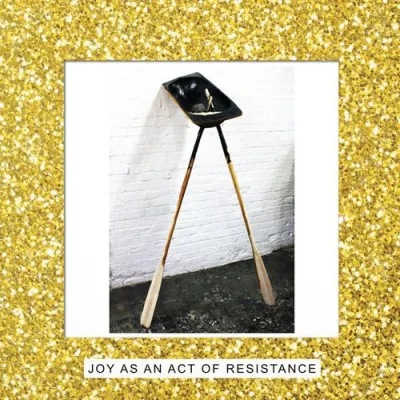
My honest advice: buy the amplifier and speakers first. Records like Joy As An Act Of Resistance - Deluxe Edition Vinyl LP 180 Gram already sound good on mediocre gear, and they sound enormous on a properly matched pair. You'll keep both the amp and the speakers for a decade. Turntables come and go.


![The Number of the Beast [2015 Remaster] - Vinyl LP 180 Gram](https://worldwidestereous.com/cdn/upload/webp/888851/09f35823d5c82b62b24fd807bd082aea/400.webp)
![The Number of the Beast [2015 Remaster] - Vinyl LP 180 Gram](https://worldwidestereous.com/cdn/upload/webp/888851/d3e00c8e6cc9435ac618ac345d1d7a5a/400.webp)